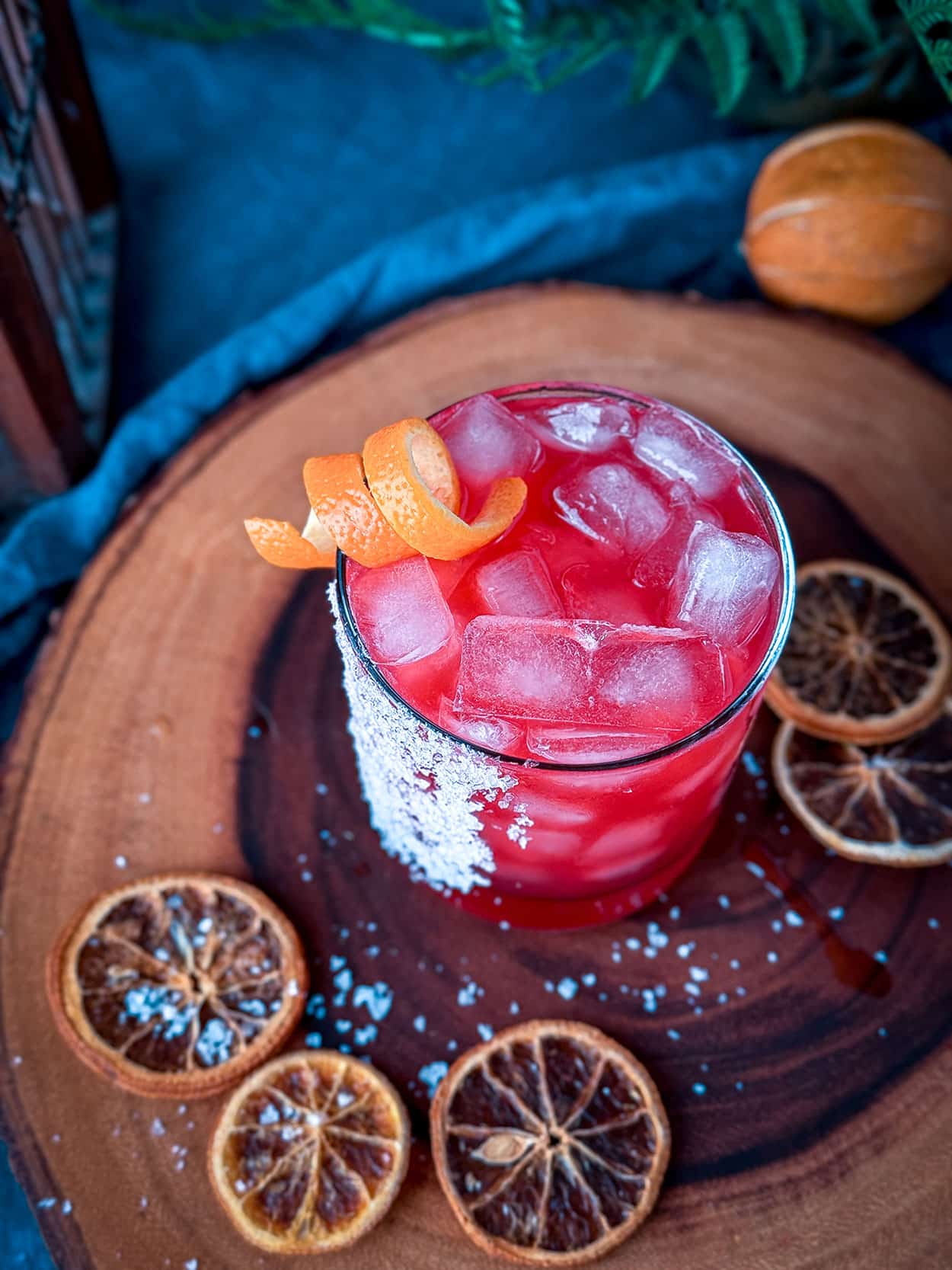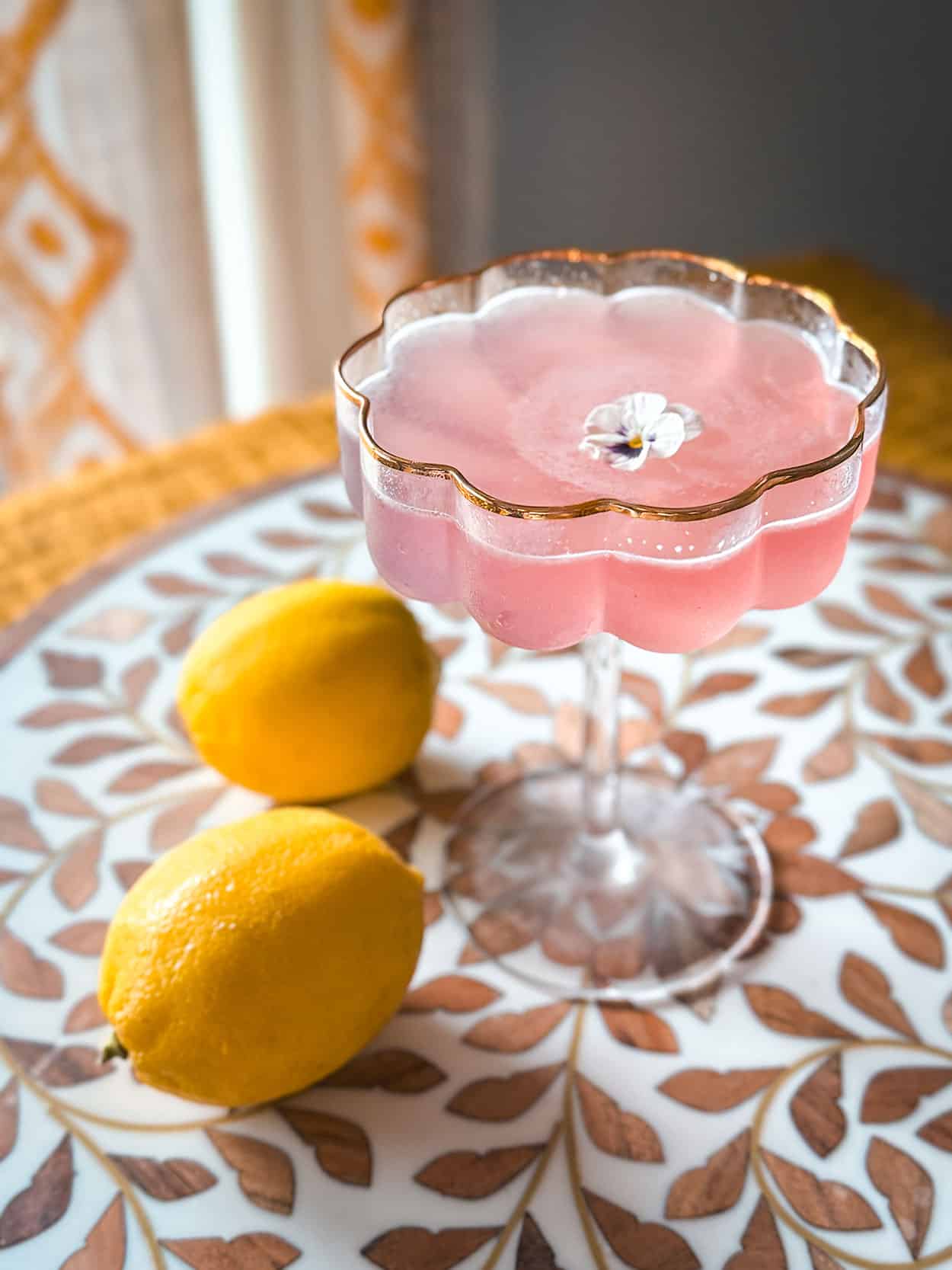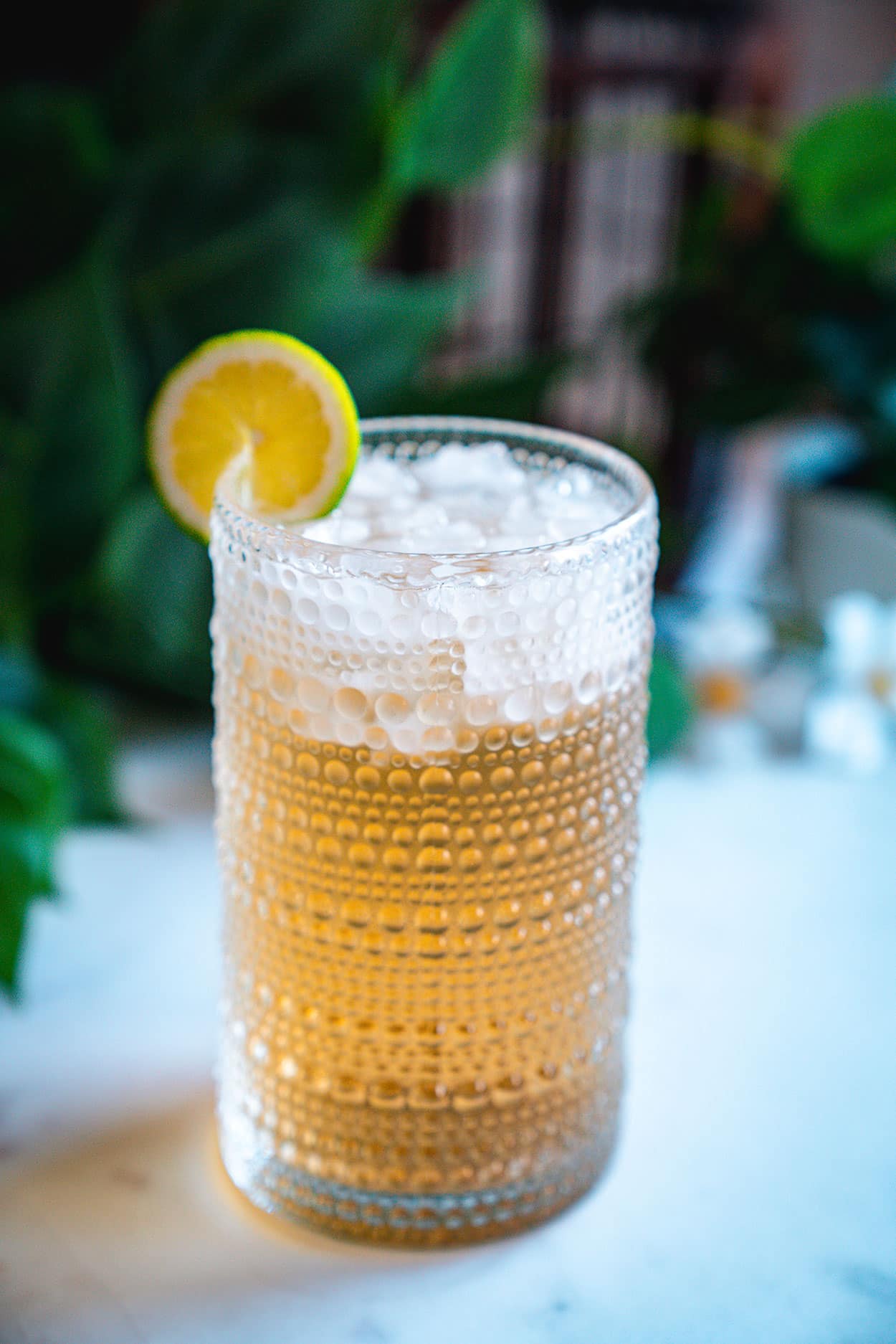
The Bee’s Knees is a Prohibition-era gin cocktail built from three ingredients: gin, lemon juice, and honey syrup. It’s a hundred years old and still shows up on cocktail menus everywhere (it’s one of my go-to drinks if I don’t like anything on the menu).
I’ve been making Bee’s Knees variations for years now, and once you nail the basic recipe, you can play around with it forever.
Honey plays so well with almost everything that you can take this template and create completely different drinks with just one or two tweaks.
TL;DR
New to home bartending?
Grab my favorite full bartender kit, which covers most of the basics in one shot, so you are ready to make this recipe.
Why the Bee’s Knees Works So Well
The Bee’s Knees was allegedly created during Prohibition to hide the taste of terrible bathtub gin. The honey masked all those rough edges that gave gin a bad name.
Even with quality gin, the drink is still delicious. The honey adds a richness and floral quality that regular simple syrup just can’t match.
The standard ratio is 2 oz gin, 3/4 oz fresh lemon juice, and 3/4 oz honey syrup. You need to thin the honey with warm water (usually 1:1 ratio), or it won’t mix properly.
Shake everything hard with a good Boston shaker until the shaker is super cold. The honey needs that aggressive shaking to fully incorporate.
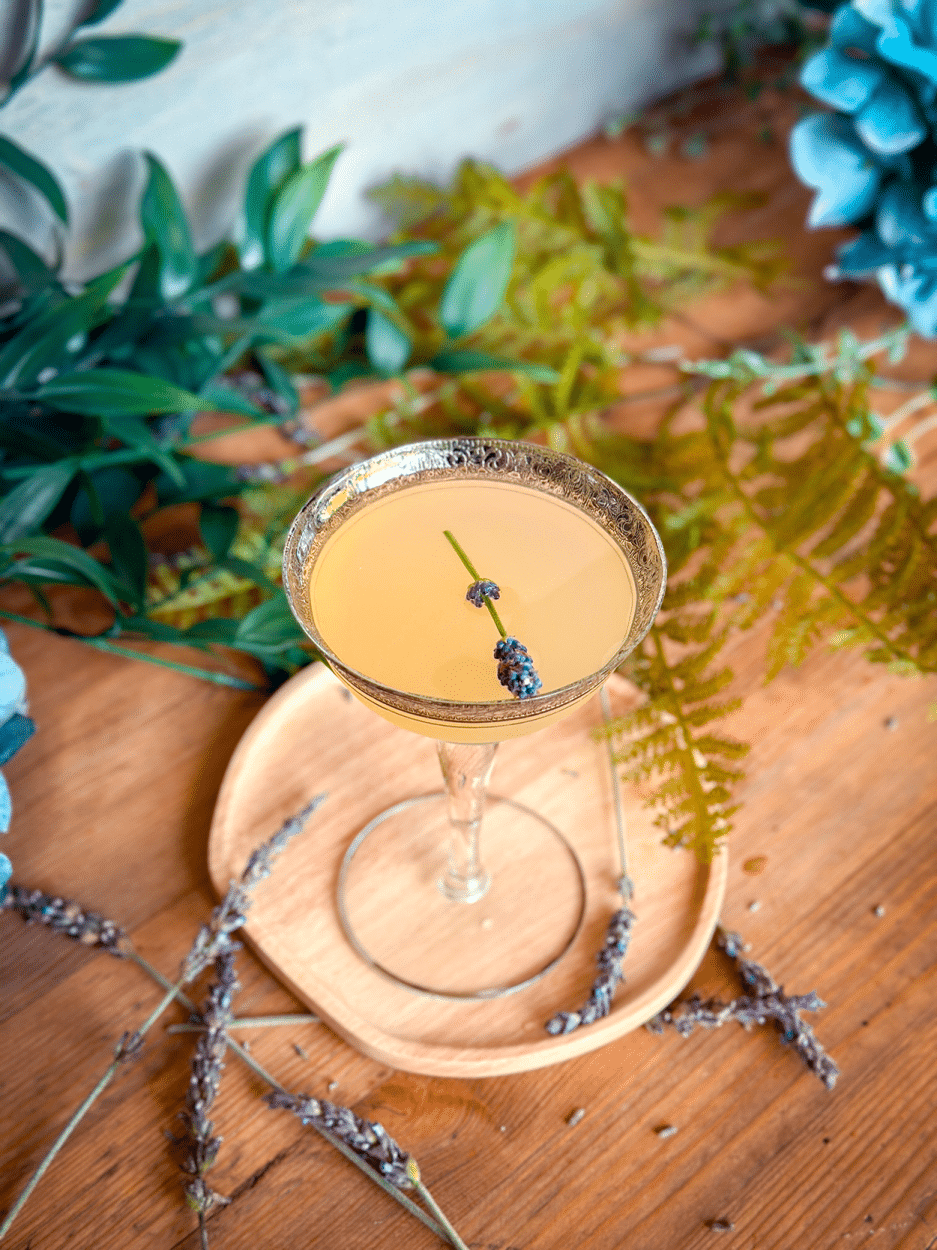
Strain into a coupe glass and garnish with a lemon twist.
That’s the classic. The lemon keeps it sharp and the honey rounds out the edges. But it’s also a solid starting point for variations.
The Secret to Good Variations
The biggest mistake people make when messing with classics is adding too much. You’re not building a completely new drink. You’re enhancing the original.
One or two additions are usually enough. The honey is the star, so whatever you add should complement it, not compete.
Floral ingredients like lavender, cherry blossom, or orange blossom work because they echo honey’s natural quality. Tea is a great option because it adds complexity without extra sweetness. Fruit is OK, as long as it’s not too strong.
You can swap the honey for a flavored honey syrup (like lavender honey), or you can add a flavored simple syrup alongside the honey. Both work, but they create different results. Adding lavender honey keeps the focus on honey with a subtle floral note.
Adding a separate lavender simple syrup makes the lavender more prominent.
The gin matters too. A classic London Dry works for straightforward variations. A more floral gin like Hendrick’s or St. George Botanivore works better with delicate additions like lavender or tea.
Empress 1908 already has cherry blossom in its botanical list, so it leans into a floral variation rather than fighting it. A Navy Strength gin gives you more presence if you’re adding bold flavors.
Bee’s Knees Variations You Have to Try
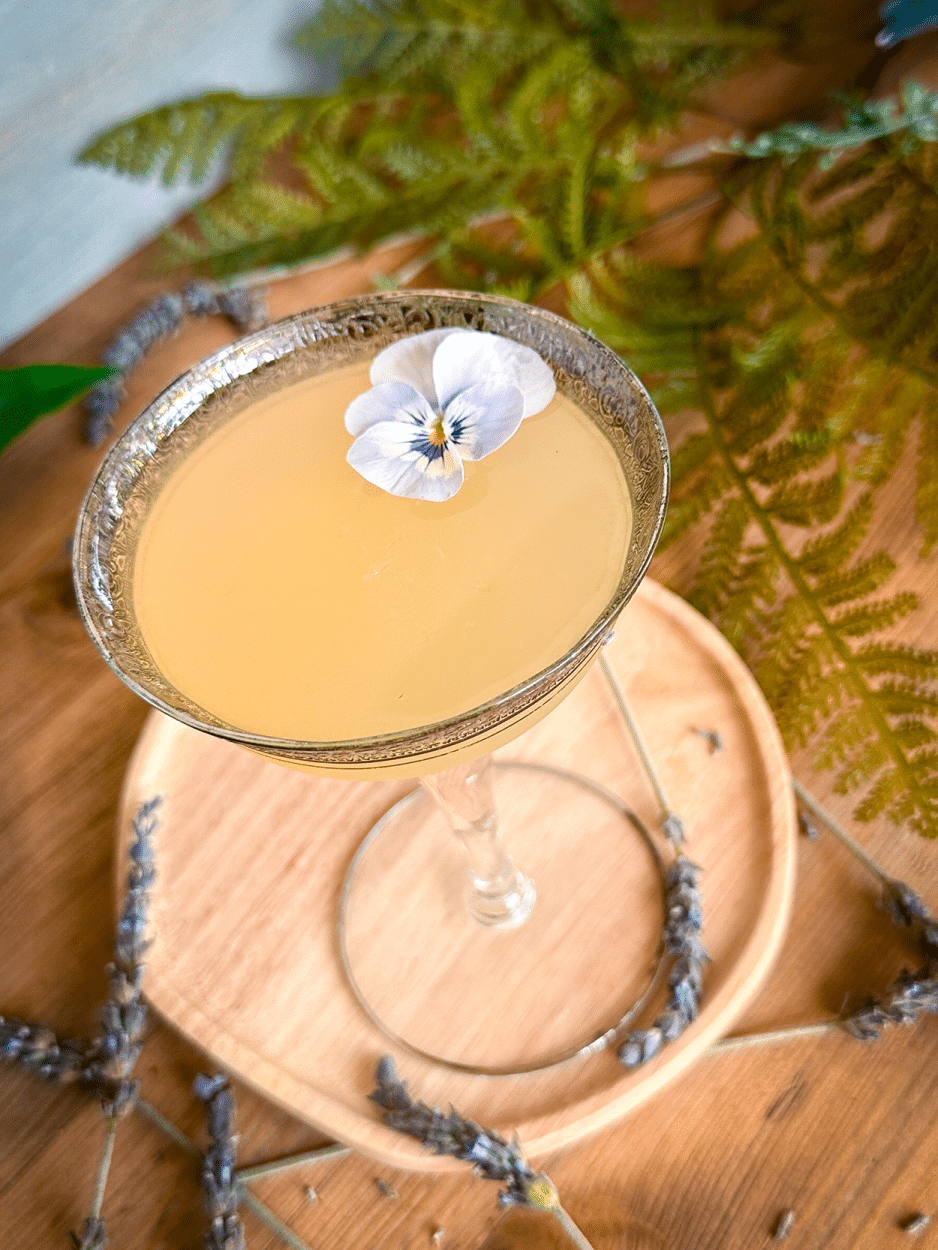
Lavender Bee’s Knees
This is the most straightforward variation. Swap regular honey syrup for honey lavender simple syrup, and you’ve got something more elegant without being fussy. The lavender adds a floral note that plays perfectly with the honey’s natural sweetness.
This is my go-to when I want to introduce someone to floral cocktails. It’s balanced, approachable, and doesn’t taste like soap (which can happen if you go too heavy on the lavender). I grow culinary lavender in my home garden specifically for this drink, and well, every other lavender cocktail I like to make.
If you want to skip the syrup-making step, you can grab some dried culinary lavender and steep it directly in your honey syrup. Just don’t overdo it. Lavender can go from “ahhh… this is amazing” to “yuck! Why would you make me drink this?” really fast.
Earl Grey Lavender Bee’s Knees
This takes the lavender version and adds another layer with Earl Grey simple syrup. The bergamot in Earl Grey plays incredibly well with both the lavender and the honey, creating something more complex and layered.
This is what I make when I want something interesting but don’t want to explain a complicated recipe to guests. The tea note is subtle but makes people ask what’s in it. You can use Lapsang Souchong tea for a smokier version, but Earl Grey is my personal preference.

Hot Honey Bee’s Knees
This swaps regular honey for hot honey (honey infused with chili peppers). The heat is subtle and it doesn’t hit you immediately, but it builds as you drink. The spice plays well with the lemon’s acidity and the gin’s botanicals.
HOWEVER, when making your hot honey simple syrup, remember to do a split between regular honey and hot honey, especially if your hot honey is very “hot,” as it can overwhelm your tastebuds.
You can make your own hot honey by gently warming honey with fresh chili peppers, or you can buy it already made.
If you’re making this for guests, mention the heat upfront. Some people love it, some don’t, and nobody likes surprises when it comes to spice.

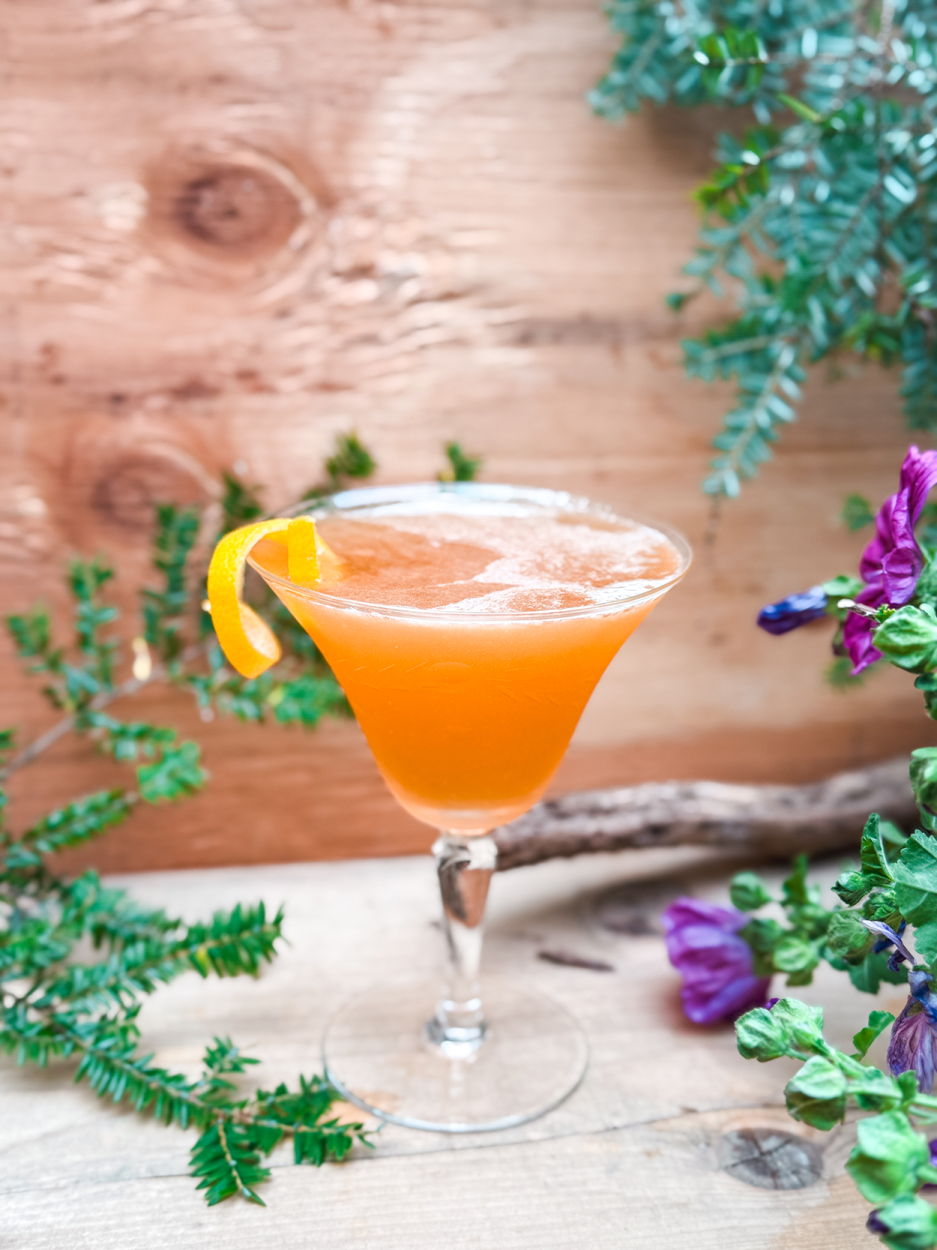
Persimmon Bee’s Knees
This adds persimmon purée alongside the honey. Persimmons are sweet, slightly floral, and have a unique flavor that’s hard to describe but definitely has hints of honey in it.
The persimmon adds a seasonal twist that makes this feel like a fall drink without being heavy. If you’ve never worked with persimmons, this is a great introduction.
I actually have two mature persimmon trees that produce a massive crop every other year, so I’m always looking for new ways to use them. If I can’t, I just put a box out for my neighbors, and it’s gone in minutes.
You will want to grab ripe Fuyu persimmons for your cocktails (they look like squat orange tomatoes). The harder Hachiya variety won’t work. Blend the persimmon with a splash of water until smooth, strain it, and you’ve got your puree for this recipe.
Cherry Blossom Bee’s Knees
This one adds cherry blossom syrup alongside the honey instead of replacing it.
Remember, cherry blossom syrup doesn’t taste like cherries. It’s closer to rose water with a faint almond note, and it plays with honey the same way lavender does: it echoes the floral quality already there rather than competing with it.
Cherry blossom season lasts about two weeks if you’re lucky, and this is the drink I make every spring to celebrate. I use my own cherry blossom syrup, made from salt-preserved sakura blossoms, but it’s part of a bigger series of cherry blossom cocktails I’ve been building out over the years.
Reach for a botanical gin if you have one. Hendrick’s or something similar picks up more of those floral notes. If you want to skip making your own syrup, Floral Elixir Co. makes the closest store-bought version.
But seriously, making your own is easier and tastes way better and less like a fruit candy.
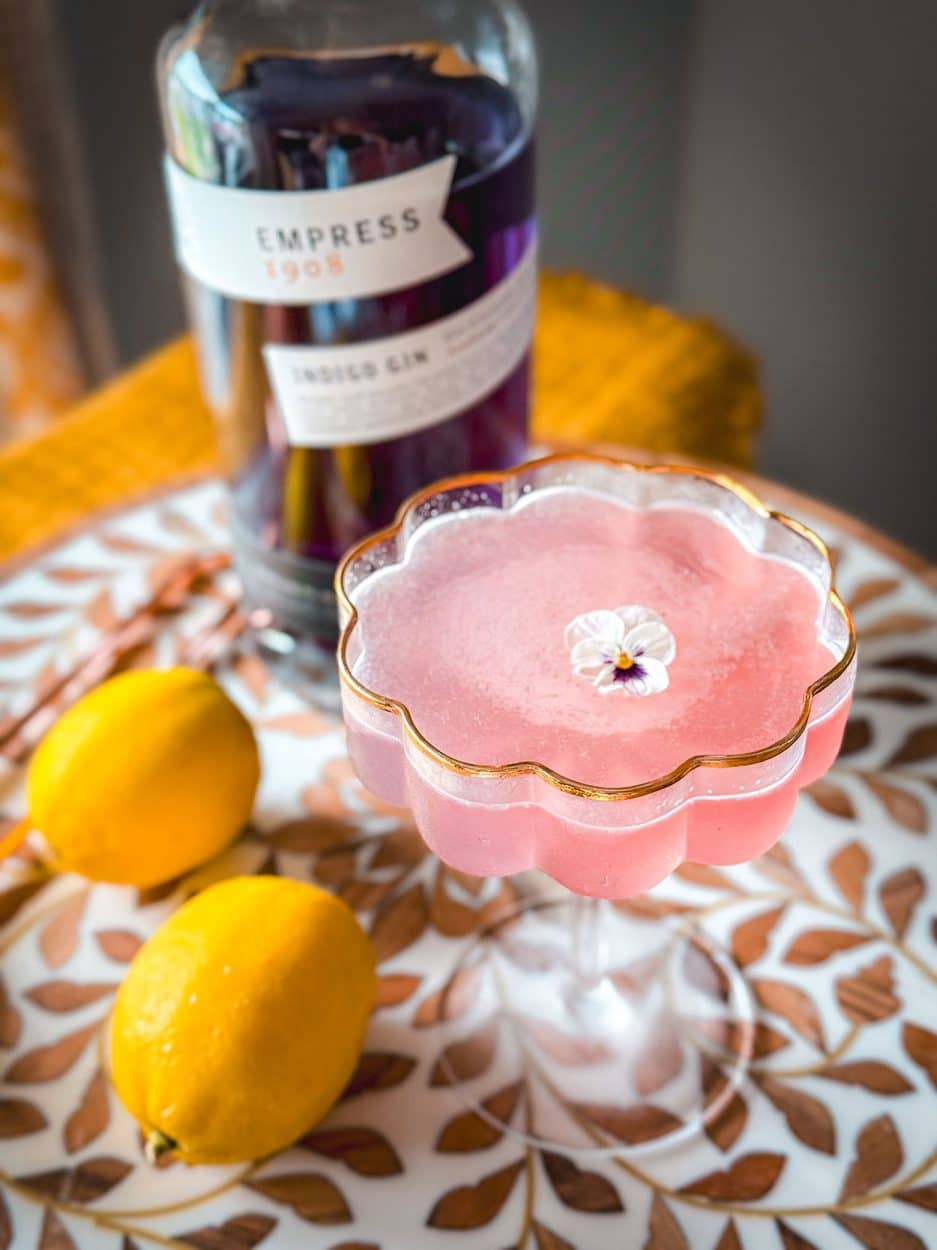
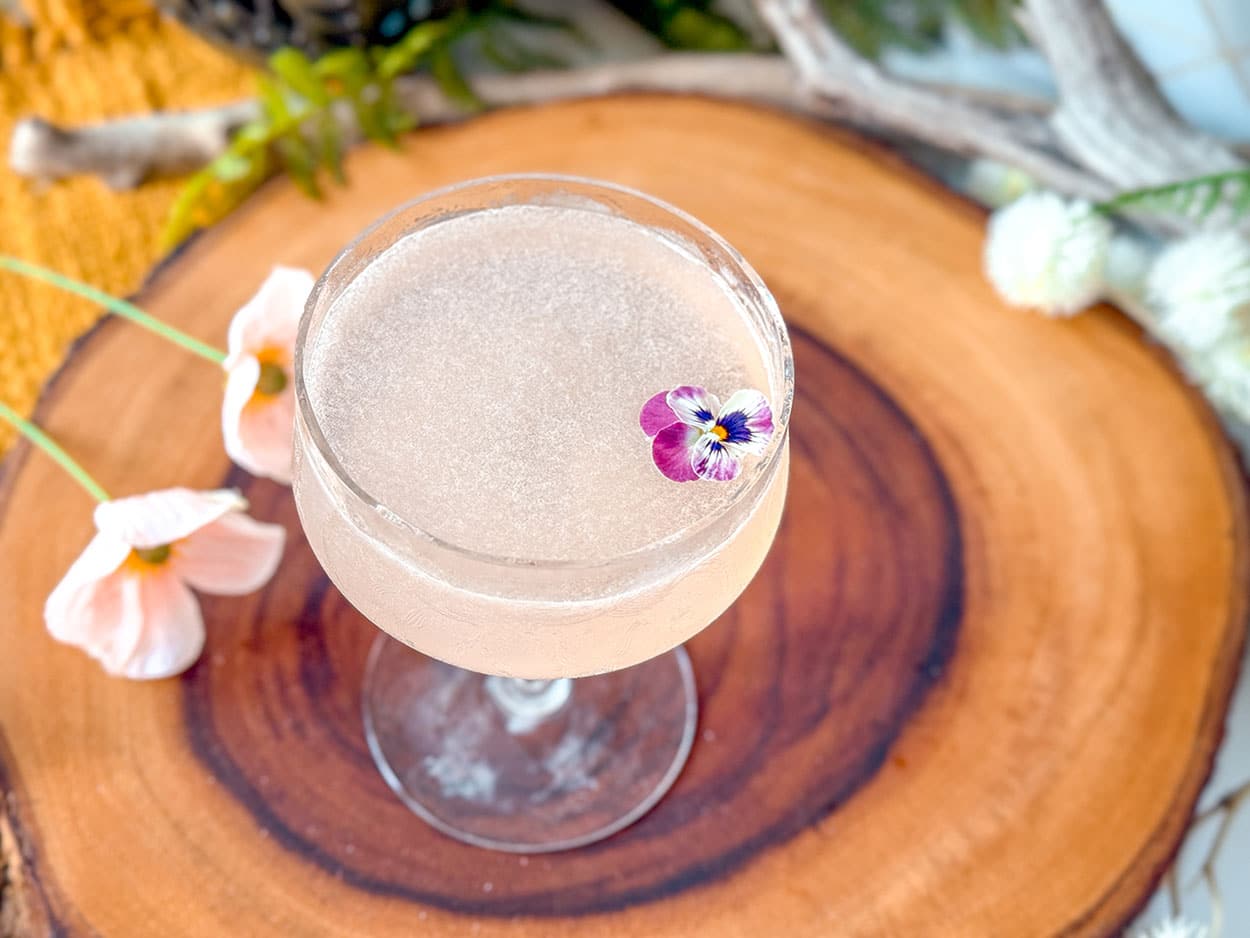
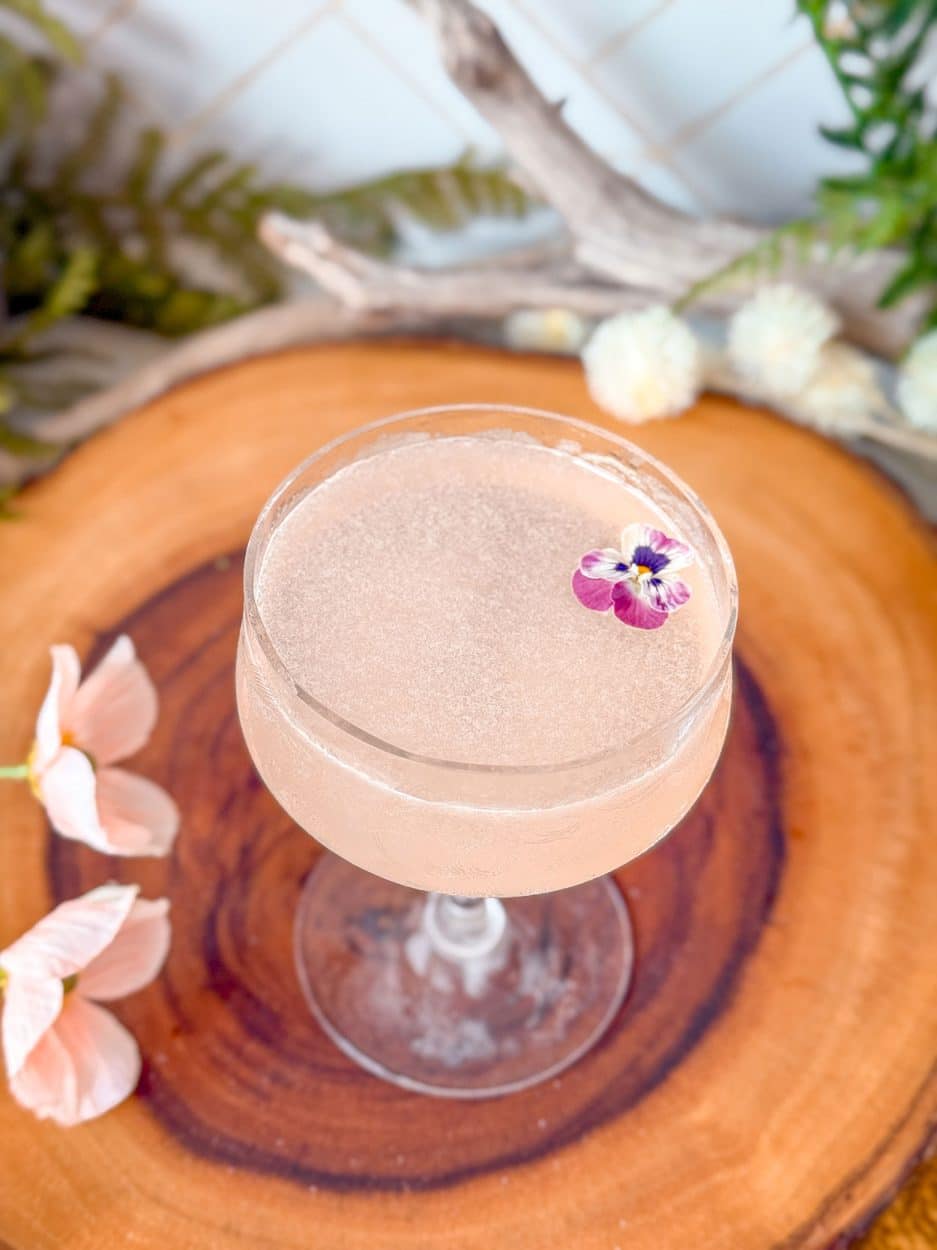
Empress Blossom Bee’s Knees
Empress 1908 already has cherry blossom among its botanicals, so adding cherry blossom syrup on top doesn’t introduce a new flavor to the drink. It just turns up the volume on a botanical that’s already there.
There’s a bonus with this one too.
Empress 1908 pours a deep indigo straight out of the bottle, and the acid in the lemon juice shifts that color to a soft pink as soon as you shake it. It’s a fun one to make in front of people, as they are always amazed.
If you can’t find Empress 1908, any butterfly pea flower gin will get you the same color change. Just know the botanical profile will be a little different from bottle to bottle, so taste as you go.
How to Create Your Own Version
Once you understand the template, you can create your own versions using whatever’s in season or whatever sounds good.
Start with the classic ratio: 2 oz gin, 3/4 oz lemon juice, 3/4 oz honey syrup. This is your baseline.
Pick one (maybe two) additions. Don’t add three or four flavors or you’ll muddy the drink. One strong addition is better than multiple weak ones.
If you want to make it extra fun, try making it a sour cocktail with egg white on top.
Bee’s Knees Cocktail Ideas
Flavored honey syrup
Infuse your honey syrup with herbs (lavender, rosemary, thyme), spices (cardamom, cinnamon), or tea (Earl Grey, chamomile). This keeps the honey as the primary sweetener but adds complexity.
I have a whole collection of simple syrup recipes if you want more ideas.
Add a second syrup
Keep the honey syrup as is, but add a small amount (1/4 to 1/2 oz) of a flavored simple syrup. Fruit syrups like strawberry, blueberry, fig, or peach are good ones to try first. Just reduce the honey slightly so the drink doesn’t become too sweet.
Muddle fresh ingredients
A few fresh berries, a slice of stone fruit, or fresh herbs muddled with the honey before adding the other ingredients creates a fruity bee’s knees without the added sugar.
Use a proper cocktail muddler, not a spoon.
Use citrus variations
Swap some or all of the lemon for lime, grapefruit, or blood orange. The honey is forgiving enough to work with a variety of citrus flavors.
Some combinations worth trying:
- Blueberry honey syrup (muddle fresh blueberries with honey syrup)
- Rosemary honey syrup (infuse honey with fresh rosemary)
- Ginger honey syrup (honey infused with fresh ginger for warmth and spice)
- Fig honey syrup (honey with fig simple syrup in fall)
- Strawberry basil (muddle strawberries and basil with honey)
- Blood orange (swap half the lemon for blood orange juice)
If you’re into experimenting, you might also like my Blueberry Lavender Sour or Emerald Sour recipes. They follow a similar approach of taking a classic template and making it your own.
Tips for Making Better Bee’s Knees at Home
Make proper honey syrup
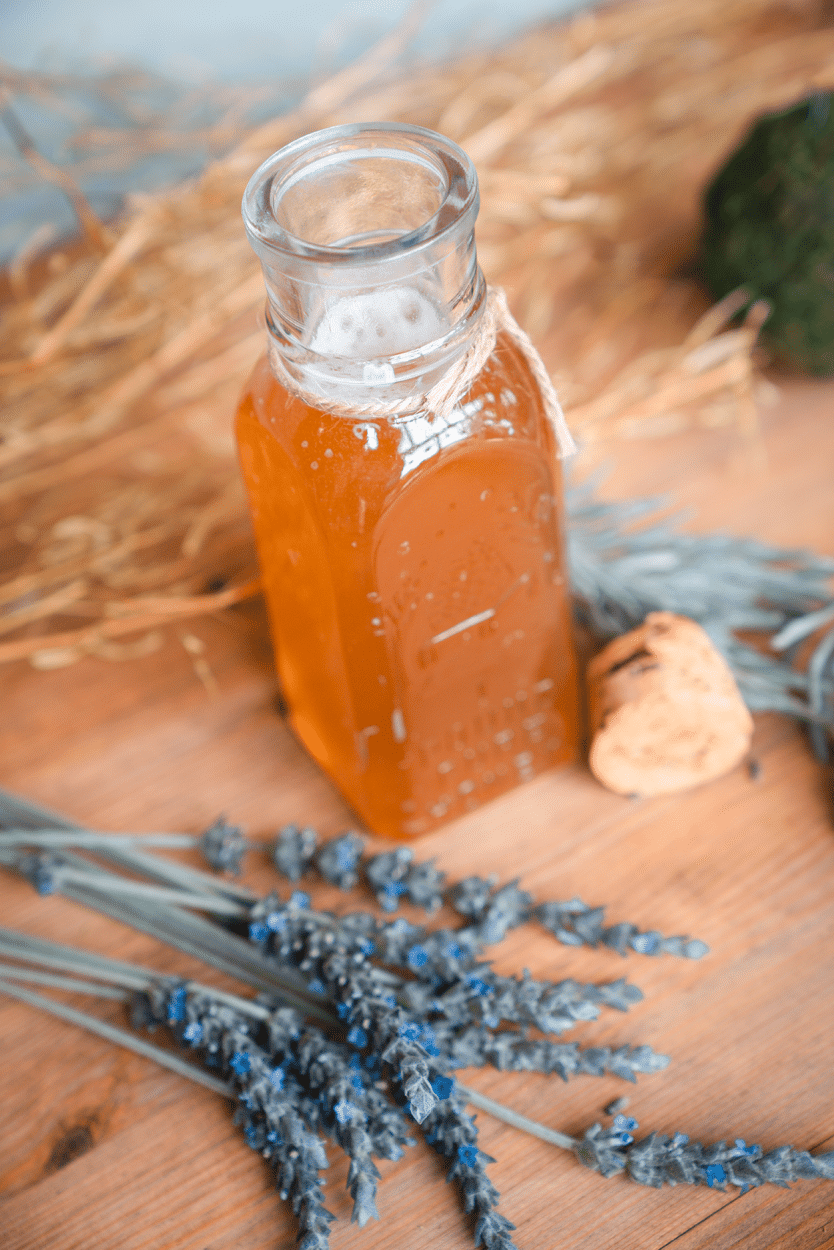
Mix equal parts honey and warm water in small glass mason jars, stir until completely dissolved, then let it cool. Straight honey is too thick and won’t incorporate properly. I usually keep a jar of this in my fridge, but since you don’t need boiling water to dissolve the honey, your syrup will cool faster if you need to make it on the spot.
Shake hard
The honey needs aggressive shaking to fully integrate, even when it’s thinned with water. A quality bartender kit with a proper shaker makes this so much easier.
Use fresh lemon juice
Fresh is always best and I’m not just saying that because I have lemon trees growing in pots in my driveway. The brightness of fresh lemon is what makes a Bee’s Knees work. Get yourself a good citrus juicer and you’ll have fresh-squeezed lemon juice whenever you need it.
In fact, since my lemons don’t grow year-round, I usually freeze fresh lemon juice in ice trays so I can have a bag of juice in my freezer between growing seasons.
Choose your honey carefully
Different honeys have different flavors. A light, mild honey (clover, acacia) lets the other flavors you add come through. A darker, more assertive honey (buckwheat, chestnut) creates a richer, more complex drink that I find better for bourbon and whiskey cocktails.
Don’t over-garnish
A simple lemon twist is usually enough. If you’ve added lavender, a small sprig of fresh lavender reinforces the flavor. If you’ve used berries, a few berries on a cocktail pick work. Keep it simple.
Use a channeling knife for perfect lemon twists every time.
Serve it cold.
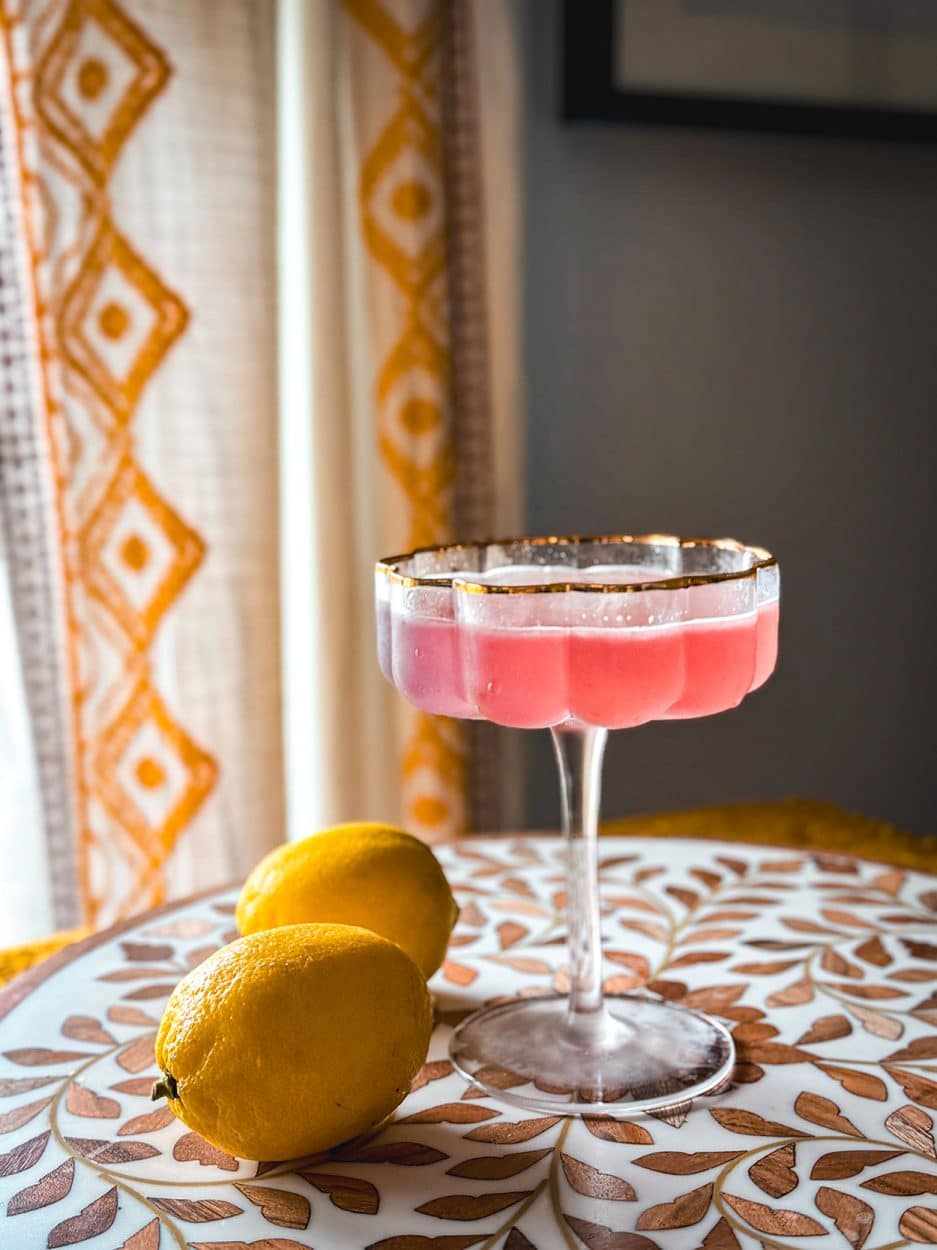
The Bee’s Knees is meant to be served very cold in a chilled glass. The honey can make it feel heavier if it’s not cold enough. I like to pop a few coupe glasses in the freezer at least 15 minutes before I make this drink.

Why This Cocktail Still Works
The Bee’s Knees is proof that simple doesn’t have to mean boring. The three-ingredient template is forgiving enough for beginners but versatile enough to keep experienced bartenders shaking up this classic cocktail for years to come.
Once you’ve made the classic version a few times, start experimenting. Swap the honey, add a syrup, muddle in some fruit. The structure stays the same, but the results are endless.
If you’re looking for more cocktail garnish ideas or want to dive deeper into making your own syrups, I cover all of that right here.
Cocktails Using Honey Syrup
- Hot Honey Bee’s Knees
- Lavender Bee’s Knees
- Earl Grey Lavender Bee’s Knees
- Persimmon Bee’s Knees
- Cherry Blossom Bee’s Knees
- Empress Blossom Bee’s Knees
- Thyme Honey Lemon Whiskey Sour
NEW TO HOME BARTENDING?
My favorite full bartender kit covers most of the basics in one shot, so you are ready to make this recipe.
COCKTAIL PREP
- Jigger or Measuring glass
- Citrus juicer — fresh juice makes a real difference.
- Cocktail zester and Fruit peeler — citrus twists, and wide strips for expressed peels.
- Clear ice cube maker or Clear sphere ice maker — Best for spirit-forward drinks.
SHAKING & STIRRING
- Boston shaker — two-piece metal shaker
- Mixing glass — for stirred cocktails
- Hawthorne strainer and Fine-mesh strainer — perfect combo for a double strain
- Bar stir sticks — Long enough to reach the bottom