
Adding edible flowers to cocktails isn’t just pretty—it’s creative, flavorful, and totally fun. Whether you’re garnishing a spritz or steeping petals for a custom syrup, flowers can elevate your drink from simple to stunning.
However, not all flowers are edible.
I thought all jasmines were created equal at first. They are not. After a lot of research, I found out that my gorgeous pink jasmine is NOT edible and safe for consumption.
Most jasmine flowers aren’t. The same goes for hibiscus. There is only one type of jasmine and one kind of hibiscus that are edible.
Do your research before you use any plants, herbs, spices, and flowers in cocktails.

One other warning
if you have seasonal or pollen allergies, be careful of what you use in cocktails. I tried a dandelion root detox tea once, which caused my mouth to break out for a week.
I poisoned myself from the inside because I have a dandelion pollen allergy.
Always start small, just in case you do have a bad reaction. Also, be sure to have allergy medication on hand and head to the hospital if you experience a severe reaction.
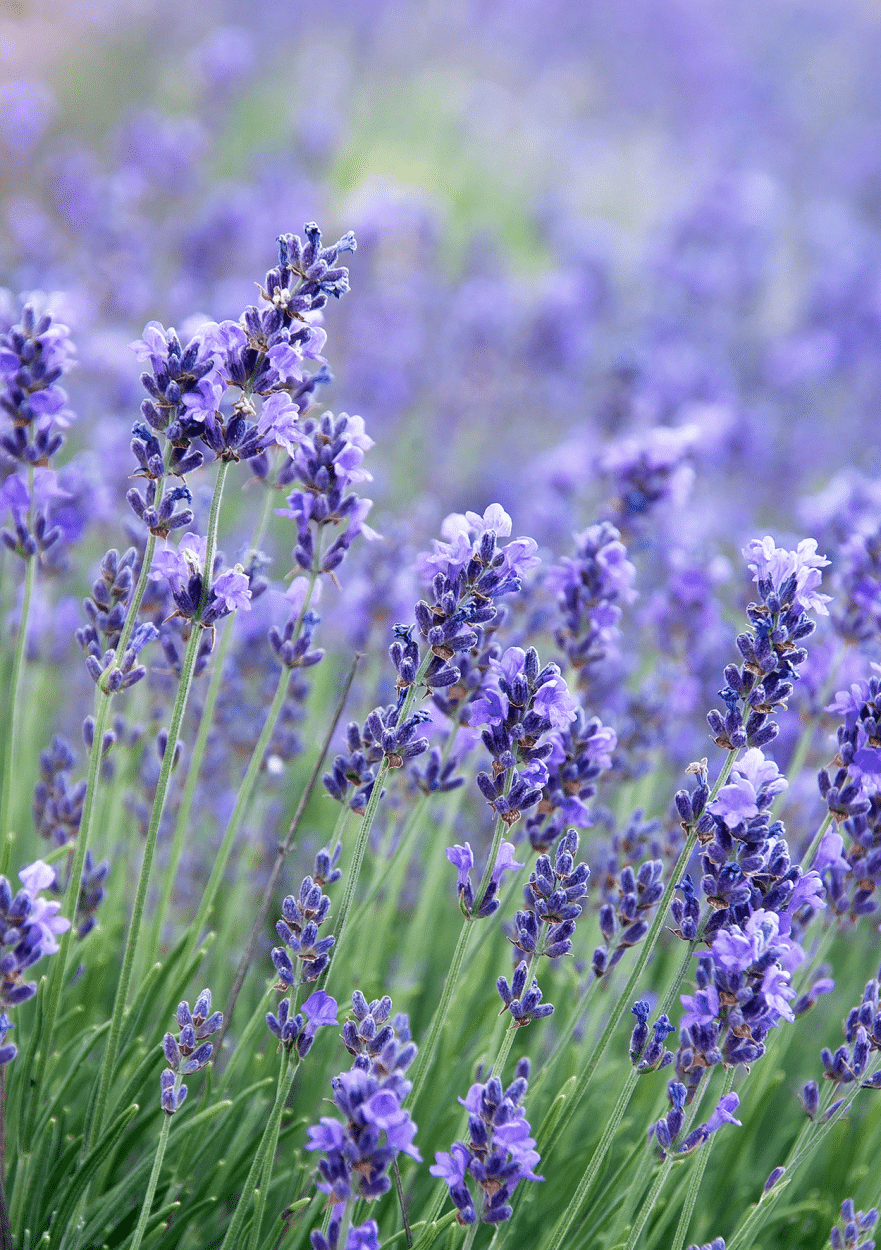
From delicate floral notes to bold herbal flavors, here’s a roundup of the best edible flowers for cocktails, what they taste like, and how to use them safely in your drinks.
Floral Favorites
These are the classic cocktail flowers you’ve probably seen in bars or high-end drinks.
Lavender
Flavor: Light, floral, herbaceous
Use it for: Syrups, garnishes, or infusions in gin or lemon-based drinks
Best Form: Dried or fresh (culinary-grade only)
Pairs With: Honey, lemon, gin, earl grey
Warning: Too much can turn soapy or overpowering. Use sparingly and strain well when infusing.

Rose
Flavor: Sweet, perfumed
Use it for: Rose water, syrups, or petals as a soft garnish
Best Form: Dried or fresh petals (unsprayed, pesticide-free)
Pairs With: Champagne, lychee, citrus, white rum
Warning: Some roses have a stronger fragrance than flavor. Use light-colored varieties for softer flavor. Avoid florist roses.

Hibiscus
Flavor: Tart and fruity, like cranberry
Use it for: Iced tea-style bases, margaritas, or rum punches
Best Form: Dried petals (often sold as “Flor de Jamaica”)
Pairs With: Tequila, rum, ginger, lime
Warning: Can stain easily. Don’t over-steep or the tartness becomes overpowering.

Chamomile
Flavor: Apple-like, calming
Use it for: Teas, infused syrups, or bourbon sours
Best Form: Dried flowers
Pairs With: Bourbon, honey, vanilla, lemon
Warning: Avoid if allergic to ragweed or similar plants. Flavor can become bitter if over-steeped.

Violet (Crème de Violette)
Flavor: Sweet and floral
Use it for: Aviation cocktails or to create a delicate purple hue
Best Form: Liqueur or fresh petals
Pairs With: Gin, lemon, sparkling wine
Warning: Fresh violets are hard to source and delicate. Use only if labeled edible.
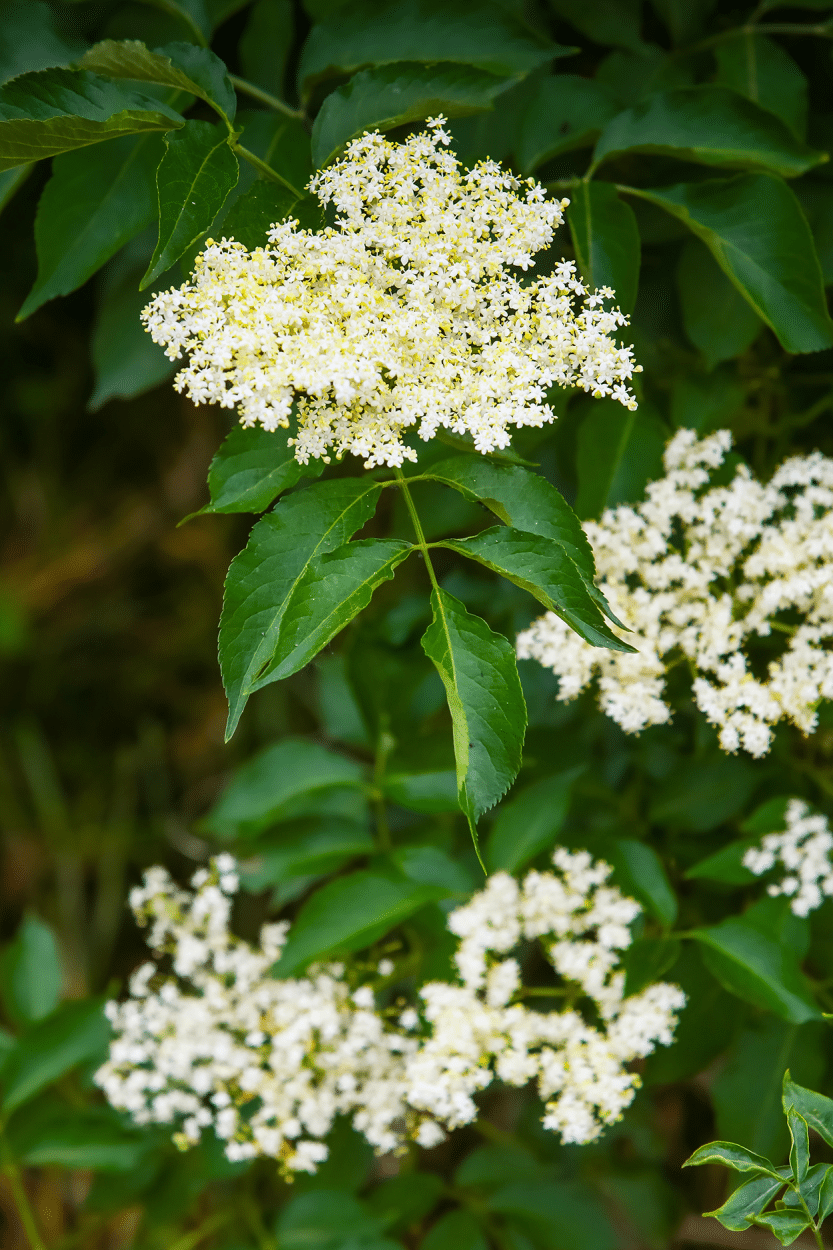
Elderflower
Flavor: Light, fruity floral
Use it for: Cordials like St-Germain or floral spritzers
Best Form: Fresh or as a liqueur
Pairs With: Cucumber, citrus, champagne, gin
Warning: Use only flowers—not leaves or stems, which can be toxic when raw.

Bright & Beautiful Blooms
These flowers add great visual appeal with a touch of subtle flavor.
Marigold / Calendula
Flavor: Slightly citrusy, a little bitter
Use it for: Petal garnish or syrup infusions with tequila or mezcal
Best Form: Fresh petals
Pairs With: Earthy or smoky spirits, citrus
Warning: Use only edible varieties like Calendula officinalis. Avoid decorative marigolds not labeled for food.

Pansies & Violas
Flavor: Mild and grassy
Use it for: Pretty garnish, especially frozen in ice cubes
Best Form: Fresh
Pairs With: Light spritzes, floral gin drinks, mocktails
Warning: Best used for decoration—not much flavor, but visually stunning.

Butterfly Pea Flower
Flavor: Mild, earthy
Use it for: Blue-to-purple color-changing cocktails (magic!)
Best Form: Dried or steeped as a tea
Pairs With: Gin, coconut, citrus
Warning: Color reacts to acid—add lemon or lime juice for the purple effect. Flavor is subtle but earthy.

Cornflower (Bachelor’s Button)
Flavor: Subtle, almost tasteless
Use it for: Bright blue pop of color on top of a drink
Best Form: Fresh or dried petals
Pairs With: Use visually with anything light or bubbly
Warning: Flavor is minimal—this one is all about looks.

Herbaceous & Savory Blooms
These flowers come from edible herbs or vegetables and pack a flavor punch.
Borage
Flavor: Light cucumber
Use it for: Garnish in gin & tonics or cucumber cocktails
Best Form: Fresh
Pairs With: Gin, tonic, mint, citrus
Warning: Wilts quickly. Best used the same day it’s picked.
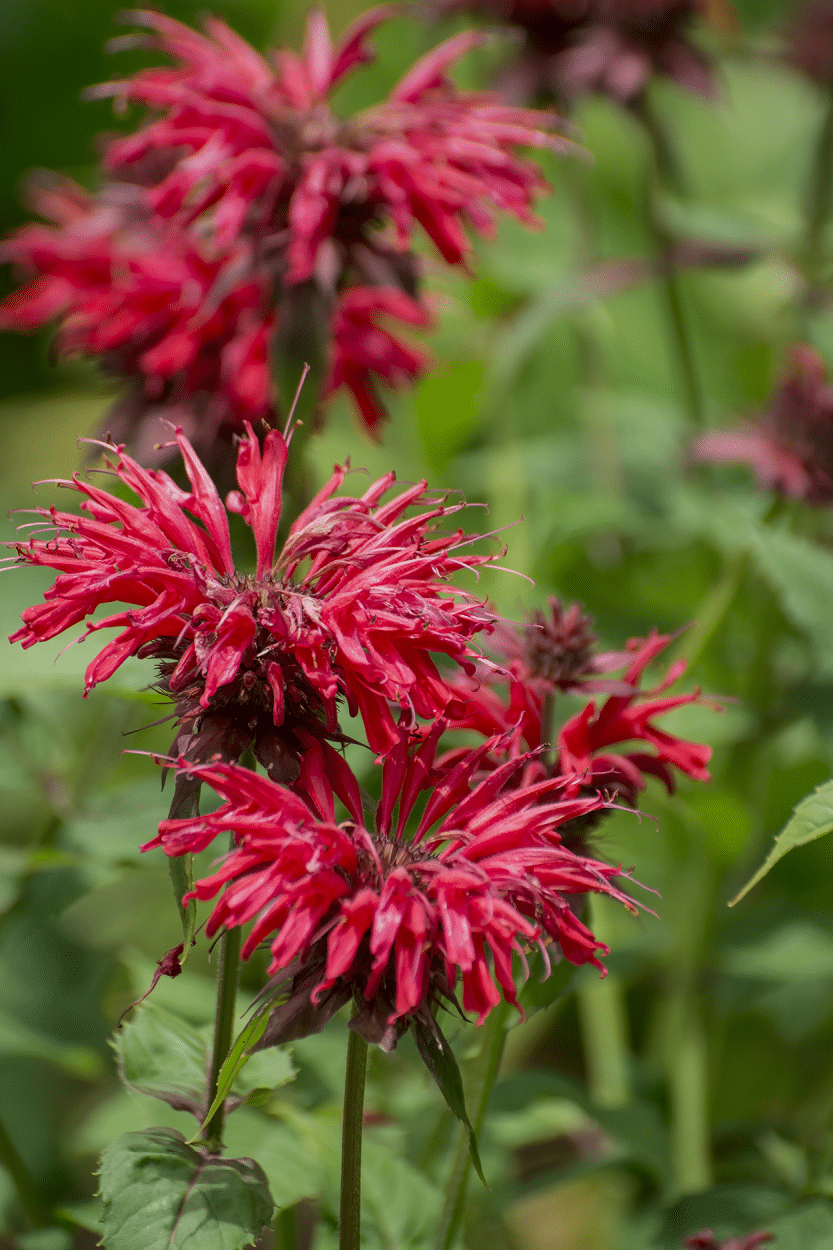
Bee Balm
Flavor: Spicy mint
Use it for: Muddled into bourbon or whiskey cocktails
Best Form: Fresh or dried
Pairs With: Whiskey, dark rum, cinnamon
Warning: Strong flavor—use in moderation.

Chive Blossoms
Flavor: Oniony
Use it for: Savory cocktails like Bloody Marys
Best Form: Fresh
Pairs With: Tomato, celery, vodka
Warning: Strong flavor—not for sweet cocktails. Use as a rim garnish or muddled.

Cilantro Flowers
Flavor: Earthy, like the leaves
Use it for: Spicy tequila drinks or micheladas
Best Form: Fresh
Pairs With: Tequila, lime, chili
Warning: Flavor can turn bitter if steeped. Use for garnish or light muddling.

Sage, Thyme & Basil Flowers
Flavor: Herbal, slightly bitter or sweet depending on type
Use it for: Syrups, garnishes, or garden-inspired cocktails
Best Form: Fresh blossoms
Pairs With: Gin, whiskey, stone fruit
Warning: Flavor mirrors the herb but lighter. Don’t over-muddle or you’ll bring out bitterness.

Wildcards & Delicate Blossoms
A few lesser-known gems worth experimenting with.
Wisteria
Flavor: Lightly floral, slightly sweet
Use it for: Garnish or delicate infusions (use very sparingly)
Best Form: Fresh only, from a verified edible species
Pairs With: Floral gins, lemon, sparkling wine
Warning: Only the flowers of certain varieties (Wisteria floribunda and Wisteria sinensis) are edible when fully bloomed. All other parts of the plant—especially the seeds and pods—are toxic. Never use unless you’re absolutely certain of the species and proper prep. When in doubt, skip it.

Peonies
Flavor: Light, floral, a little like rose with green undertones
Use it for: Garnish or very mild infusions (use tiny amounts)
Best Form: Fresh petals, pesticide-free
Pairs With: Rosé, strawberry, lemon, sparkling wine
Warning: Peonies are not traditionally considered culinary, but small amounts of fresh petals are used decoratively in some cultures. Use only petals from unsprayed blooms, and avoid overuse. Best used as a garnish—not for infusions unless you’re confident and cautious.

Dandelion
Flavor: Bitter, earthy
Use it for: Honey-sweetened syrup or infused liqueurs
Best Form: Fresh, pesticide-free
Pairs With: Whiskey, amaro, honey
Warning: Pick only from safe, untreated areas. Petals only—greens are very bitter.
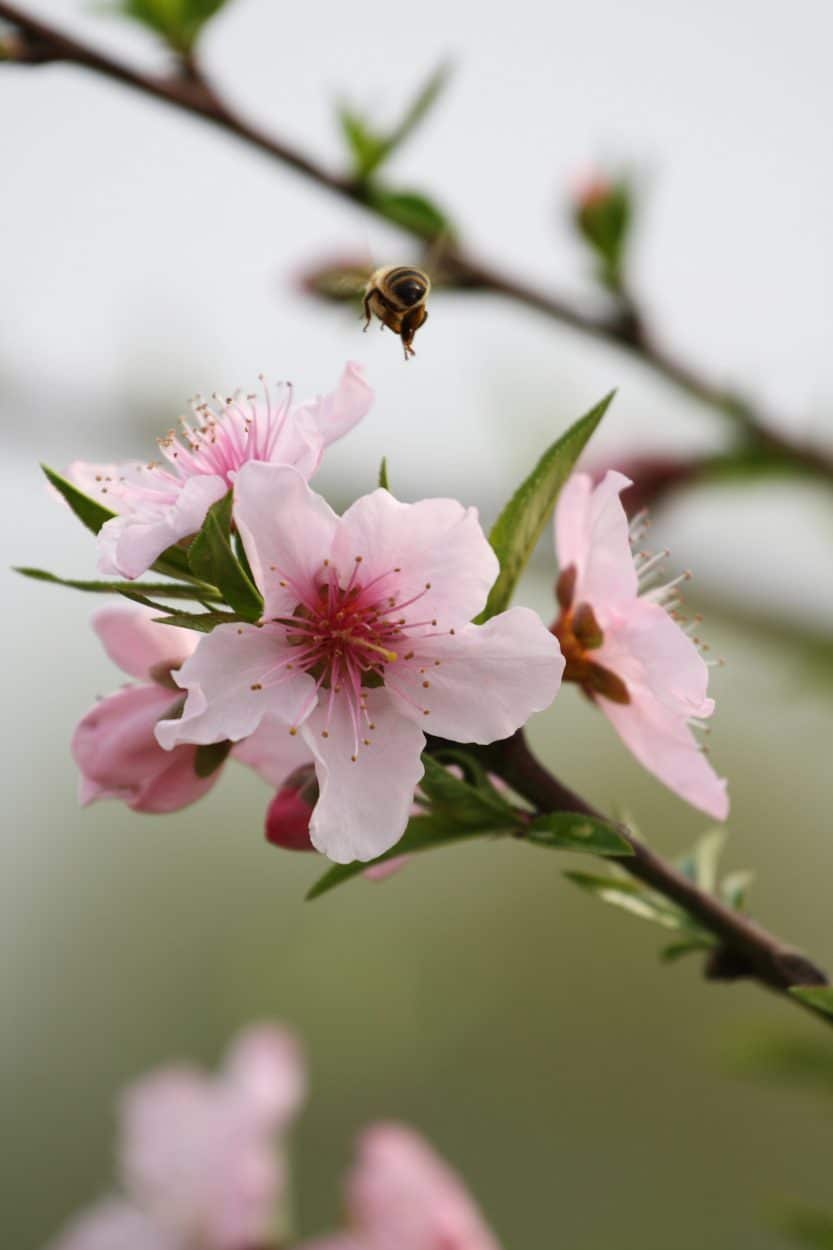
Peach, Apple, & Citrus Blossoms
Flavor: Light floral, fruity
Use it for: Stunning spring garnishes (only use pesticide-free!)
Best Form: Fresh only
Pairs With: Light gin drinks, vodka, champagne
Warning: Use sparingly. Too many can be overpowering. Make sure blooms are from untreated trees.
Learn more about Citrus Blossoms
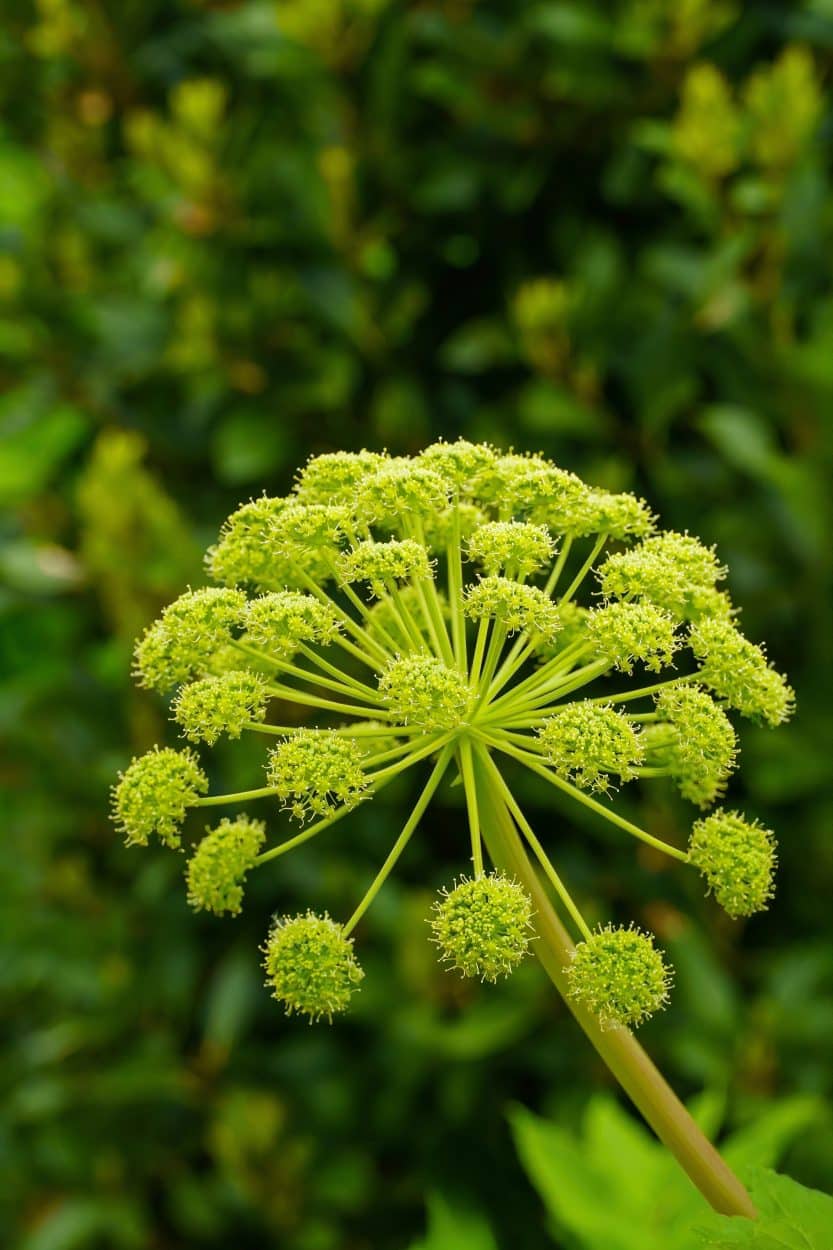
Angelica Flower
Flavor: Sweet, earthy
Use it for: Infuse into liqueurs or bitters
Best Form: Fresh
Pairs With: Aquavit, gin, vermouth
Warning: Leaves and roots are used in cooking, but only the flower should be used raw in cocktails.

Red Clover
Flavor: Mild, slightly sweet
Use it for: Syrups or tea bases for light cocktails
Best Form: Fresh or dried
Pairs With: Herbal teas, honey, gin
Warning: Use in small quantities. Avoid if pregnant or on blood thinners.
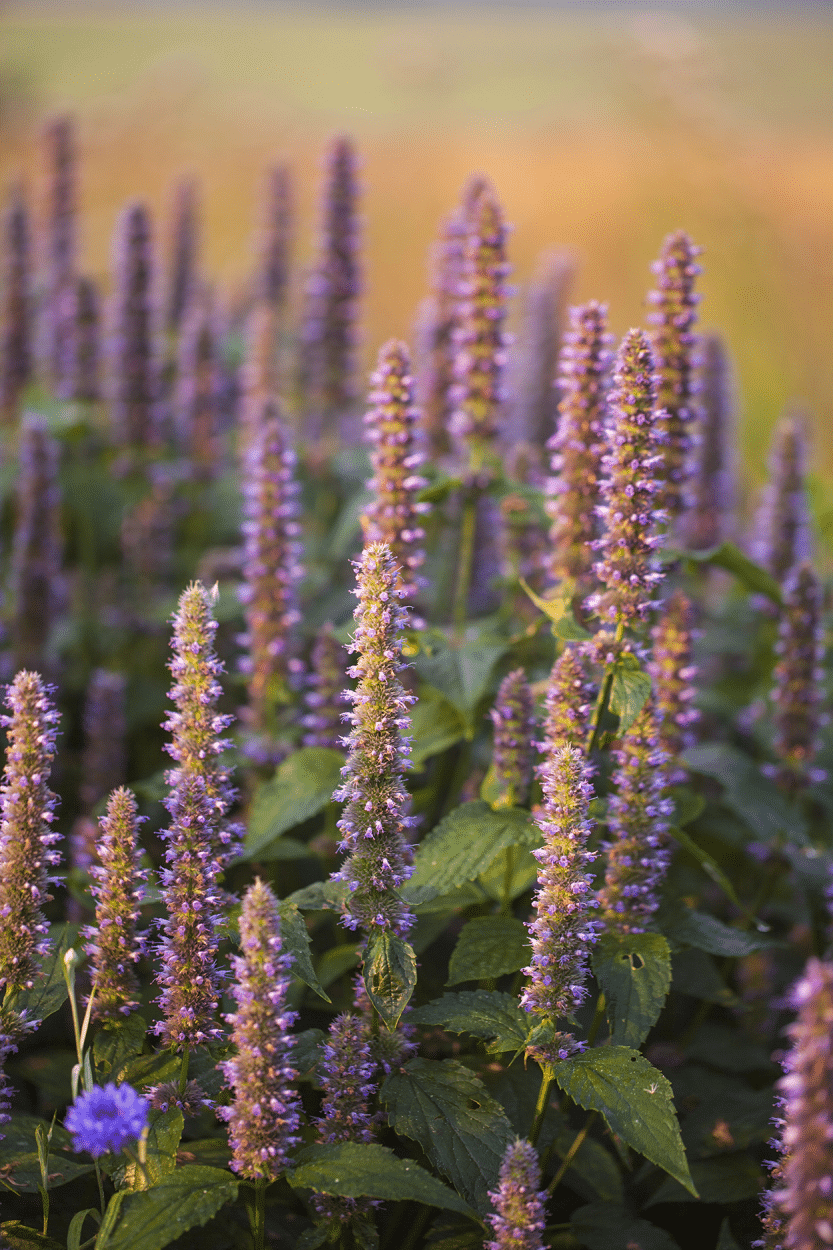
Anise Hyssop
Flavor: Sweet licorice
Use it for: Unique syrups or float the blooms on gin drinks
Best Form: Fresh
Pairs With: Absinthe, gin, lemon, honey
Warning: Can overpower delicate spirits. Use with intention.

How to Use Edible Flowers in Cocktails
- Syrups: Steep flowers in sugar and water to create floral simple syrups
- Infusions: Let flowers steep in alcohol like gin or vodka
- Garnish: Float petals on foamy drinks, spritzes, or punch bowls
- Ice Cubes: Freeze petals into clear cubes for a wow effect
- Rims & Sprinkles: Use dried petals as a cocktail rim or edible “confetti”
Final Tips
- Use only food-safe, untreated flowers (no pesticides!)
- Test flavor strength—some can go bitter if over-steeped
- Pair with intention—match floral flavors with the right spirits and syrups
⚠️ A Quick Note on Safety
Not all flowers are safe to eat—so before you go foraging in your garden or buying a bouquet, keep these tips in mind:
- Use only edible flowers labeled for culinary use. Avoid flowers from florists, nurseries, or roadside stands unless they are clearly marked organic and edible.
- Never use flowers treated with pesticides or chemicals.
- Stick to known, food-safe varieties. If you’re unsure whether a flower is edible, don’t use it.
- Start small. Even safe flowers can cause allergies or sensitivities in some people, so test slowly when using a new one.
- Buy from trusted sources, like farmers markets, online edible flower suppliers, or your own organic garden (with no chemical treatments).
Always double-check flower names—some plants have lookalikes that are toxic. If you want a helpful reference, there are great books and botanical guides that list safe, edible blooms.
Flowers to Avoid in Cocktails
Not every flower is cocktail-friendly. Some are beautiful, but toxic or harmful when ingested. This is not an exhaustive list; always research carefully before using any new bloom in drinks.
Here are some flowers you should never use in cocktails:
- Foxglove – Extremely toxic (used in heart medication)
- Lily of the Valley – Toxic, even in small amounts
- Oleander – Highly poisonous
- Hydrangea – Contains cyanogenic compounds
- Daffodils – Toxic to humans and pets
- Azaleas – Toxic if ingested
- Buttercups – Can cause skin irritation and are toxic
- Wisteria (leaves, pods, and stems) – Only some species’ flowers are safe—and even then, only the flowers and in small quantities
👉 When in doubt: skip it. Stick to flowers that are labeled for culinary use or recommended by a trusted herbal or edible gardening source.

Edible Flower Chart
Here’s a simple cheat sheet to help you know what’s beginner-friendly and what needs more caution or experience.
| Flower | Safe for Beginners? | Fresh or Dried? | Best Uses | Notes / Cautions |
|---|---|---|---|---|
| Lavender | ✅ Yes | Fresh or dried | Syrups, infusions, garnish | Use sparingly—strong flavor |
| Rose | ✅ Yes | Fresh or dried | Rosewater, garnish | Use petals only; avoid florist roses |
| Chamomile | ✅ Yes | Dried | Tea, syrups | Avoid if allergic to ragweed |
| Hibiscus | ✅ Yes | Dried | Tea, punches | Tart—don’t over-steep |
| Elderflower | ✅ Yes | Fresh | Cordial, spritz | Only flowers—leaves & stems are toxic |
| Butterfly Pea Flower | ✅ Yes | Dried | Color-changing syrup or tea | Use acid (lemon) to turn purple |
| Calendula / Marigold | ✅ Yes | Fresh | Garnish, infusions | Only Calendula officinalis |
| Pansies / Violas | ✅ Yes | Fresh | Garnish, ice cubes | Mostly decorative |
| Borage | ✅ Yes | Fresh | Garnish for G&Ts | Wilts fast—use fresh |
| Dandelion | ✅ Yes | Fresh | Syrups, infusions | Harvest only from untreated areas |
| Anise Hyssop | ⚠️ Advanced | Fresh | Syrup, garnish | Strong licorice flavor—use lightly |
| Angelica Flower | ⚠️ Advanced | Fresh | Infusions, bitters | Leaves/stems can be toxic raw |
| Chive Blossoms | ⚠️ Advanced | Fresh | Savory drinks | Strong onion flavor—use with purpose |
| Peony | ⚠️ Use with caution | Fresh | Garnish | Not a traditional edible; use petals only |
| Wisteria | ⚠️ Use with caution | Fresh only | Garnish (some species only) | Only the flowers of edible species; pods = toxic |


