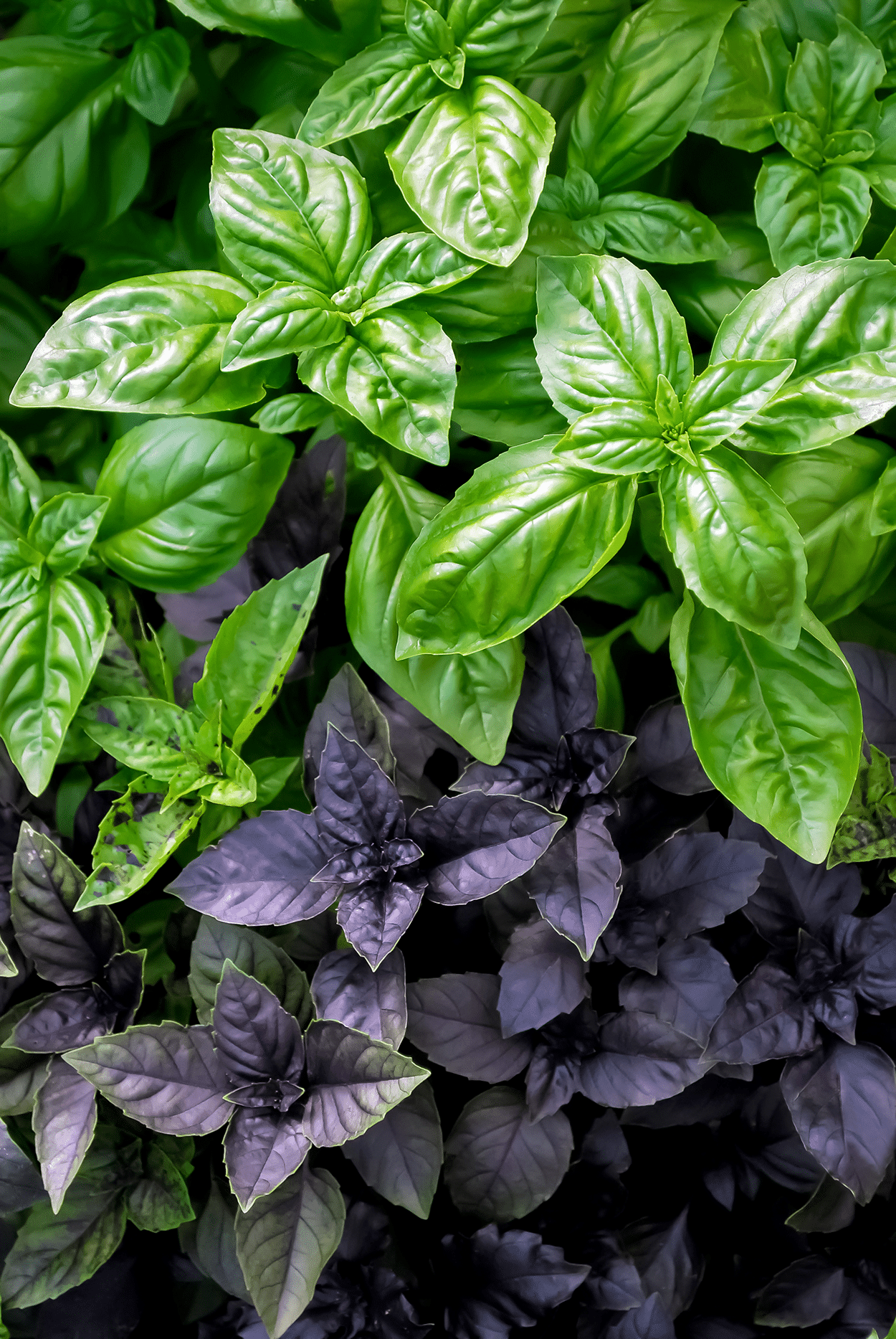
Sage may be best known for Thanksgiving stuffing, but it’s also an incredible herb for cocktails, especially in fall and winter.
With its soft, fuzzy leaves and warm, savory aroma, sage brings a unique earthiness that pairs well with deeper spirits, rich fruits, and warming flavors like apple and pear.

Used wisely, sage adds comfort and complexity to any glass. Use too much and no one will want a second sip of that cocktail you just invented.
But, almost anyone can grow sage at home. I have a bunch in my herb raised bed at home, but have grown it in a pot on my patio, windowsills, and even a balcony at an old apartment in Chicago.
If you want to grow your own, pesticide-free sage for cocktails and cooking, you are good to go.
Flavor Profile
Savory, earthy, slightly peppery, and lightly minty with a warming, herbal depth.
Types of Sage to Use in Cocktails
There are several types of sage out there, but not all are ideal for sipping. Stick to culinary varieties:
Common Garden Sage (Salvia officinalis)
The best choice for cocktail use—classic, peppery flavor and fuzzy leaves. Great for syrups, garnishes, and infusions.
Purple Sage
Similar to garden sage, but with a slightly milder flavor and beautiful deep purple color. Makes a lovely garnish or syrup with visual flair.
Golden Sage
Yellow-green variegated leaves with a softer flavor. Use in drinks where sage is more of a background note.
Pineapple Sage (Salvia elegans)
Not technically the same as garden sage—has a sweet, fruity aroma and is best for tropical or fruity drinks. Use with rum, tequila, or in mocktails.
Note: Always double-check you’re using edible sage. Some ornamental sages are grown for flowers or scent and aren’t intended for culinary use.
Best Ways to Use Sage in Cocktails
Infused Syrup
Simmer sage leaves in a 1:1 sugar-water mix. Steep for 5–10 minutes and strain. Best for fall cocktails or herbal twists on classics.
Spirit Infusion
Add a few fresh leaves to vodka, gin, or bourbon and let sit for 1–3 days.
Garnish
Smack the leaf gently or torch it for a dramatic touch and aromatic boost.
Shaking
Add sage to a shaker with citrus or fruit to lightly bruise and blend the flavor.
Perfect Spirit Pairings
- Bourbon or Whiskey – Earthy sage adds depth and contrast
- Gin – Enhances the botanical edge, especially with citrus or honey
- Vodka – Clean canvas for sage to shine
- Tequila (Añejo or Reposado) – Pairs beautifully with sage’s smoky, earthy flavor
- Mezcal – Sage plays well with mezcal’s smokiness (if you can enjoy mezcal!)
Flavor Pairings
- Apple or pear
- Lemon
- Orange
- Maple syrup
- Honey
- Brown sugar
- Cranberry
- Fig
Sage Cocktail Ideas
- Sage Pear Bourbon Sour – Bourbon, pear juice, lemon, sage syrup
- Smoky Sage Margarita – Tequila, lime, sage syrup, salted rim
- Sage Gin Fizz – Gin, lemon juice, egg white, sage-infused syrup, soda
- Apple Sage Spritz – Apple cider, vodka or gin, sparkling water, sage garnish
- Cranberry Sage Smash – Vodka, muddled cranberries, sage, orange juice
Sage Tips & Warnings
Use fresh sage
Dried sage is very intense and can taste bitter or dusty—save it for cooking.
Don’t over-steep
Too long in syrup or alcohol, and sage can become overpowering or tannic.
Strain well
The fuzzy leaves can leave tiny particles behind—double strain if needed, even using a cheesecloth to get all of the extra bits.
Torch with care
Burnt sage smells amazing, but don’t let it catch fire! A quick singe is all you need.
Sage is the cozy cocktail herb you didn’t know you needed. It brings warmth, depth, and a savory balance to sweet and citrusy drinks—making it ideal for cooler weather, festive get-togethers, or anytime you want something a little more grounded and unexpected.