Lavender might seem delicate, but when used properly, it adds an elegant, floral flavor that can completely transform a cocktail.
Whether you’re creating a spring-inspired gin drink or a relaxing mocktail, lavender brings a touch of sophistication and calm with just a little bit of effort. But be warned—it’s strong, and a little goes a long way.
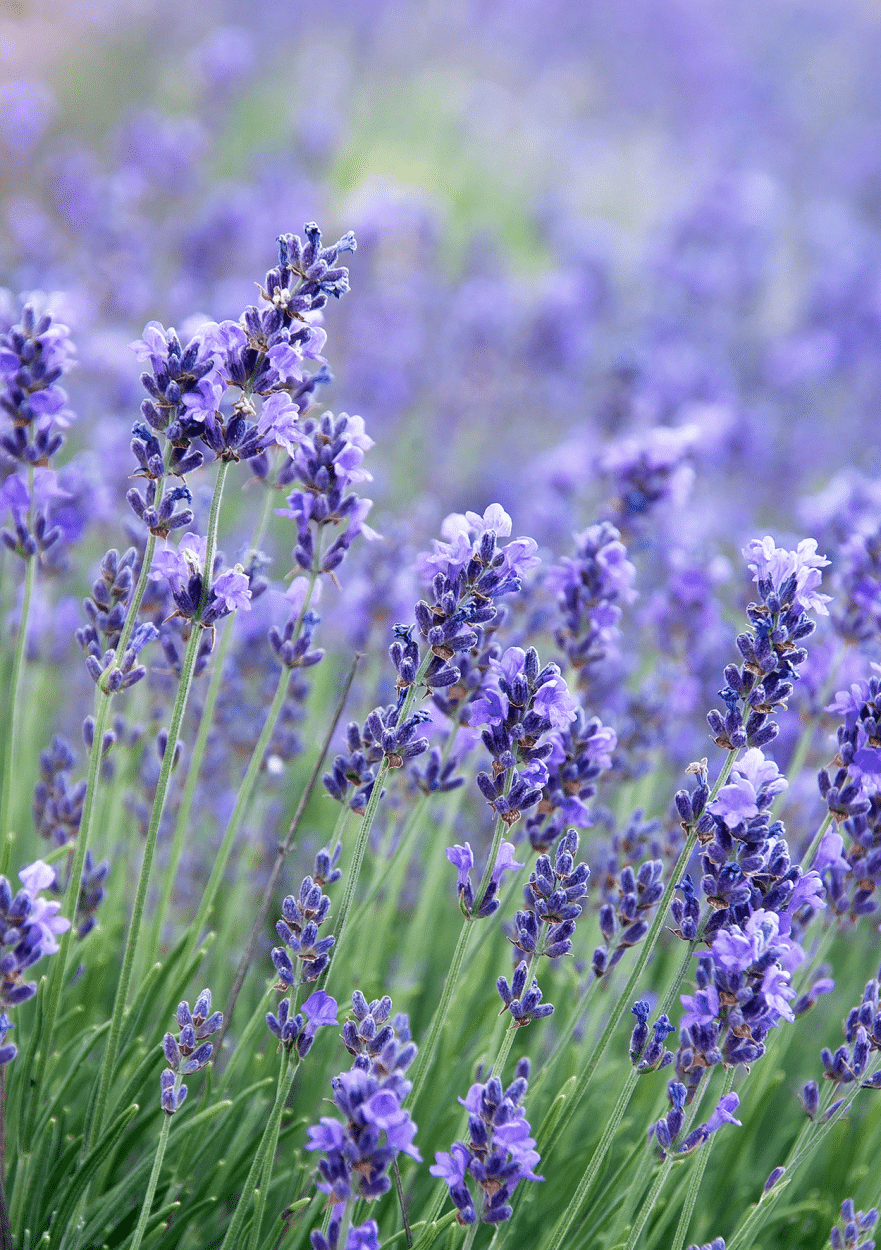
Oh, and don’t assume the lavender growing in your garden is good for cocktails or even edible.
I have a variety of lavender growing in my front and back yard (and even some in my driveway garden), but I can’t use all of them in my desserts, pastries, or cocktails.
Always, ALWAYS double-check that you are using culinary herbs, either dried or fresh, before mixing with them.
Flavor Profile:
Floral, slightly sweet, and mildly bitter with a touch of mint or camphor, depending on the variety.
Types of Lavender to Use in Cocktails:
Not all lavender is the same—some types are better for drinks than others. Here’s a quick breakdown:
Best Lavender for Cocktails:
English Lavender (Lavandula angustifolia)
The gold standard for culinary use. It’s sweet, soft, and floral, with minimal bitterness. Look for labels that say culinary-grade, organic, or food-safe.
Hidcote & Munstead (cultivars of L. angustifolia)
These popular English lavender varieties are commonly found in culinary blends and make great cocktail ingredients.
Use With Caution:
Lavandin (Lavandula x intermedia)
A hybrid of English and Portuguese lavender. It has a strong camphor or medicinal note. Technically edible, but often too overpowering for drinks.
French Lavender (Lavandula dentata)
More aromatic and slightly bitter. Can be used sparingly for garnishes, but not ideal for flavoring drinks.
Lavender to Avoid:
Spanish Lavender (Lavandula stoechas)
Recognized by its cute “bunny ear” petals. This type is ornamental, more bitter, and not recommended for consumption.
Nursery or Craft Lavender
If it’s sold for floral arrangements, sachets, or home decor—it’s likely been treated with pesticides, dyes, or preservatives. These are not food-safe.
Tip: Always use culinary-grade lavender—especially for dried buds. Avoid anything labeled for decorative or aromatic use only.
Best Ways to Use Lavender in Cocktails:
Lavender Syrup
Simmer culinary lavender buds with a simple syrup (1:1 sugar and water), then strain and chill. Adds floral flavor without floating bits.
Lavender-Infused Honey
Mix honey with warm water and steep fresh or dried lavender for a natural floral sweetener.
Lavender Tea
Brew lavender as a herbal tea and use it as a cocktail base or mixer.
Garnish
Float a fresh lavender sprig or dried bud cluster on top for an elegant look and aroma.
Perfect Spirit Pairings:
- Gin – Classic match. Lavender highlights gin’s botanical notes
- Vodka – Neutral spirit that lets lavender shine
- Champagne or Prosecco – Add lavender syrup for a romantic spritz
- Tequila (Blanco) – Earthy and citrusy, pairs surprisingly well with lavender
- Whiskey or Bourbon – Lavender adds contrast to deeper, richer flavors (use sparingly)
Flavor Pairings:
- Honey
- Lemon or lime
- Blueberries or blackberries
- Earl Grey tea (bergamot)
- Vanilla
- Rosemary or thyme
- White chocolate or cream
Lavender Cocktail Ideas
- Lavender Bee’s Knees – Gin, lemon juice, lavender honey syrup
- Lavender 75 – Gin, lemon juice, lavender syrup, Prosecco
- Lavender Lemonade Spritz – Lavender syrup, lemon juice, soda (add vodka or gin to make it boozy)
- Blueberry Lavender Smash – Vodka or gin, muddled blueberries, lavender syrup, lemon
- Lavender Old Fashioned – Bourbon, lavender honey syrup, orange bitters (just a whisper of lavender!)
- Check out our Honey Lavender simple syrup recipe using dried culinary lavender.
Lavender Tips & Warnings
Start small.
Lavender is strong—too much can make your drink taste like soap or perfume.
Strain well.
Whether using buds or sprigs, always fine-strain your syrup or infusion.
Avoid non-edible lavender.
Florist-grade or craft lavender may be treated with chemicals or fragrances.
Balance with acid or sweetness.
Lavender shines when paired with lemon juice, honey, or fruity flavors to tone down the bitterness.
Lavender is all about balance. Used correctly, it adds a gentle floral note that elevates cocktails from simple to stunning.
It’s especially perfect for spring, garden parties, or any time you want to add a touch of elegance to your glass.